

Nitin Mukhi is a distinguished IT professional and Technology Architect with over 25 years of transformative experience in digital innovation, cloud migration, and operational excellence. A proud alumnus of the prestigious Birla Institute of Technology and Science (BITS), Pilani, he has become a trusted advisor to global enterprises navigating complex IT transformation journeys. His career reflects a rare blend of visionary leadership, technical mastery, and a passion for aligning technology with business outcomes.
Executive Leadership and Strategic Transformation
Mr. Mukhi’s professional journey is defined by his ability to lead large-scale initiatives that reshape enterprise technology landscapes:
-
Large-Scale Modernization: Spearheaded modernization of core Telecom, Insurance travel technologies by adopting cloud-native architectures and enhancing mainframe scalability, enabling the deployment of hundreds of systems on major cloud platforms.
-
Operational Excellence: Established a Center of Excellence (CoE) for DevOps and Site Reliability Engineering (SRE), successfully implementing practices across hundreds of applications to reduce costs, improve performance, and scale operational coverage.
-
AI and Automation Implementation: Directed enterprise-wide adoption of generative AI tools and advanced automation frameworks, simplifying complex cloud processes and driving productivity gains.
-
Architectural and Program Governance: Designed innovative architectural solutions with strong governance and mentorship, leveraging Agile methodologies to accelerate the journey from prototype to enterprise-scale implementation.
-
Strategic Impact: Played a pivotal role in one of the largest IT transformation deals in the airline industry, underscoring his ability to deliver technology strategies with global impact.
Thought Leadership and Academic Contributions
Beyond his executive achievements, Mr. Mukhi is a recognized thought leader and academic contributor, shaping the future of technology through research, writing, and industry engagement:
-
Author and Publisher: Authored The Evolution of IT from 2000 to 2024, a comprehensive exploration of two decades of technological progress.
-
Industry Recognition: Member of the Forbes Technical Council and Fellow of SCRS, reflecting his standing among global technology leaders.
-
Academic Reviewer: Peer reviewer for international conferences such as ICICC 2026 and ICCTRDA 2025, affirming his subject-matter expertise and scholarly contributions.
-
Conference Leadership: Served as Session Chair at IEEE ACOIT 2025 fostering innovation and collaboration across diverse technology communities.
-
Research Contributions: Published multiple papers and articles in IEEE and other platforms, advancing knowledge in SRE, DevOps, Cloud Computing, and Generative AI.
-
He has contributed to multiple Hackathons and currently serves as a Judge in the OneEarth International Hackathon 2025 (organized in collaboration with leading UK, US, and Greek universities) and as a Session Chair for the 2nd Asian Conference on Intelligent Technologies (ACOIT) 2025.
Passion and Vision
Mr. Mukhi’s work lies a commitment to simplifying complex processes and aligning technical strategies with business goals. His focus on Data Science, AI for Social Good, and Responsible Innovation reflects a vision of technology as a force for positive change—empowering organizations while contributing to broader societal progress.
The Evolution of Digital Reliability—through SRE, DevOps, and AI—is enabling smarter, more mature decision-making in SRE, DevOps, and cloud migration.
Today’s digital world depends entirely on superb reliability and high availability. Applications and multi-cloud environments are growing more complex by the day, accessing multiple clouds and requiring rigorous software delivery pipelines.
In this landscape, Site Reliability Engineering (SRE) has emerged as one of the most reliable disciplines for maintaining system stability.
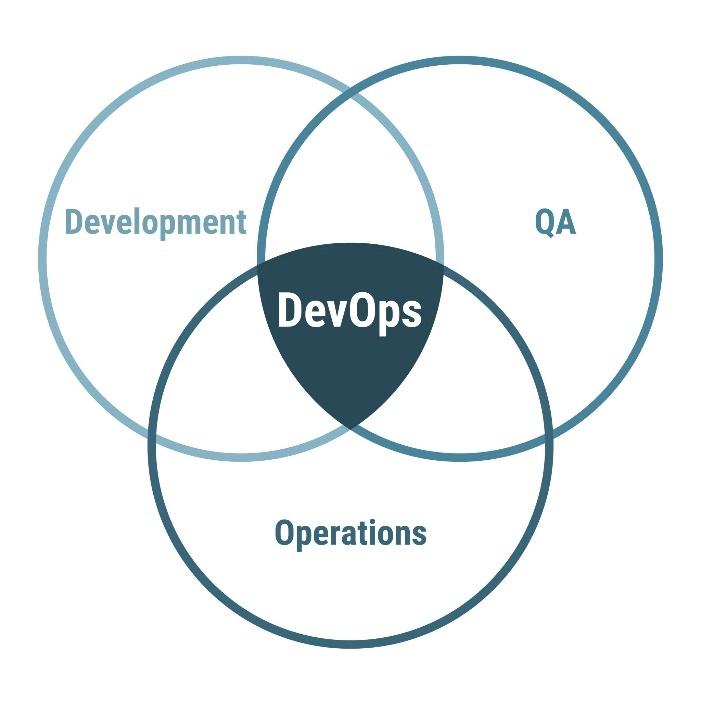
1. What is Site Reliability Engineering (SRE)?
Introduced by Google, SRE bridges the gap between software engineering principles and IT operations. It is distinct from traditional models as it focuses on performing tasks with minimal human intervention, relying on effective quality checks to make systems flexible and reliable.
Key Characteristics of SRE:
-
Engineering-based Ops: SREs write code to solve organizational problems rather than fixing them manually.
-
Automation-First Mindset: Reduces toil (repetitive, labor-intensive work) through automation.
-
Incident Management: SREs lead initiatives in Root Cause Analysis (RCA) and blameless post-mortems.
-
Cross-functional Collaboration: Creates a strong bond between Development, Operations, Security, and Business.
Current State of SRE: Despite its benefits, widespread adoption remains a challenge. The Dynatrace State of SRE Report 2022 states that only 20% of enterprises have reliable SRE practices, though 88% of SRE professionals are dedicated to continuous improvement.
Key Principles of SRE:
-
Service Level Objectives (SLOs): Specific performance targets that measure system reliability and availability to meet user expectations.
-
Error Budgets: The acceptable amount of downtime or error rate. This balances reliability with innovation; if the budget remains, developers can launch new features.
-
Automation: Automating routine tasks (deployment, monitoring) to reduce human error and free up time for strategic work.
-
Blameless Post-Mortems: Analyzing incidents without assigning blame to understand root causes and prevent recurrence.
-
Continuous Testing and Monitoring: Proactively identifying issues through robust monitoring and load testing to ensure scalability.
2. The Role of DevOps in Modern IT
To simplify processes and deliver high-quality software, DevOps has become a major component of modern IT architecture. It brings development (Dev) and operations (Ops) closer together.
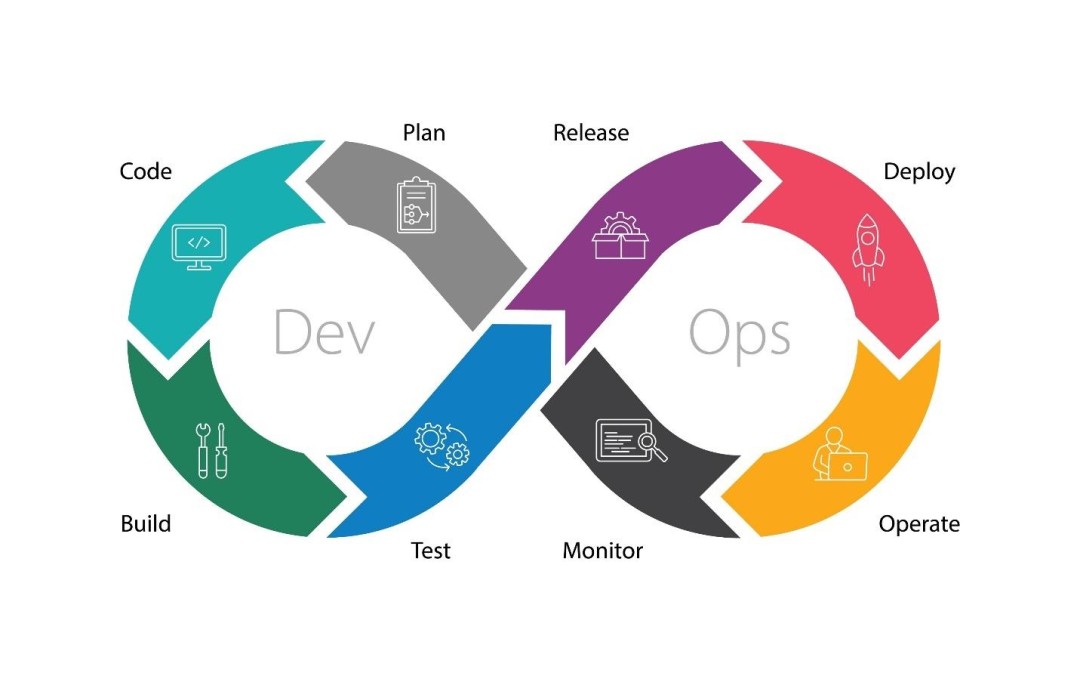
What is DevOps? DevOps is a methodology designed to shorten the systems development life cycle while providing highly reliable software. It reduces delivery time, limits manual intervention, and improves coordination for quick releases.
The Benefits of DevOps:
-
Better Coordination: Improved synergy between development and operations teams.
-
Efficiency: Reliable products are formed in less time.
-
Stability: Software products are more stable with fewer bugs.
-
Customer Satisfaction: Faster delivery of features and fixes leads to happier users.
Ensuring Success with DevOps: Success requires clarity of goals, linking development to user functions, minimizing manual mistakes via automation, and continuous feedback loops.
3. Emerging Challenges and Solutions: Low-Code & AI
Enterprise environments often combine platforms like Salesforce, SAP, and various automation tools, creating immense complexity. Sometimes, a high level of technical knowledge is required just to add a simple feature. This "Cloud Native" landscape, with over 1,000 open-source tools, makes standardization difficult.
The Low-Code/No-Code Shift To cope with capacity limits and the "dead end" of legacy systems, many are turning to low-code/no-code platforms.
-
Strategic Creativity: These platforms act as a thin layer between customer channels and enterprise systems to handle business logic efficiently.
-
Reduced "Shadow IT": They provide a structured way for employees to create solutions without bypassing IT rules.
-
Trust: They allow for the creation of simple, secure, and fast systems.
Integrating AI Making a platform "AI-ready" involves combining sentiment analysis, predictive analytics, and chatbot frameworks.
-
Real-Time Growth: AI models learn as data flows between customer touchpoints and backend systems.
-
Speed to Impact: Combining AI with low-code moves organizations from concept to impact at extraordinary speed, empowering innovation beyond IT teams.
-
AI-driven insights are critical for enhancing these practices, moving them from reactive troubleshooting to predictive resilience.
-
Tools such as Dynatrace, GitHub Actions, and Datadog leverage AI to build sophisticated predictive models, enabling the identification of trends that inform and guide strategic decision-making.
-
This integration facilitates proactive reliability engineering, automating complex DevOps pipelines and steering cloud strategies with greater precision.
Impact and Outcome
-
AI empowers teams to embed intelligence across the entire lifecycle—from observability to automation—accelerating digital transformation.
-
By harnessing AI, organizations can efficiently uncover performance patterns, optimize system health, and expedite delivery cycles.
-
Ultimately, AI serves as the backbone of modern reliability, ensuring smarter decisions, faster delivery, and the creation of highly resilient systems, making digital reliability a quantifiable reality.
4. The Top 10 Benefits of Automation
Automation is the engine behind SRE and DevOps. Here is a consolidated look at how it drives success:
1. Increased Productivity Teams can finish time-consuming, repetitive tasks quickly using automated code.
2. Cost Savings While the initial investment may be high, automation reduces the resources required for daily operations, increasing overall profit.
3. Improved Accuracy (Reduced Errors) Automated systems eliminate human error.
4. Enhanced Scalability Operations can grow easily without a linear increase in effort or labor.
5. Time Savings Automation handles repeated tasks, freeing up employees for meaningful work.
6. Better Compliance and Security Automation ensures strict adherence to rules, maintains audit trails, and manages access logs.
7. Consistent Output Quality Machines perform tasks exactly the same way every time, regardless of volume.
8. Improved Decision-Making Automation delivers real-time insights rather than outdated reports.
9. Resource Optimization Ensures human talent is used strategically rather than on rote tasks.
10. Improved Collaboration Automation creates a "single source of truth" and streamlines communication.
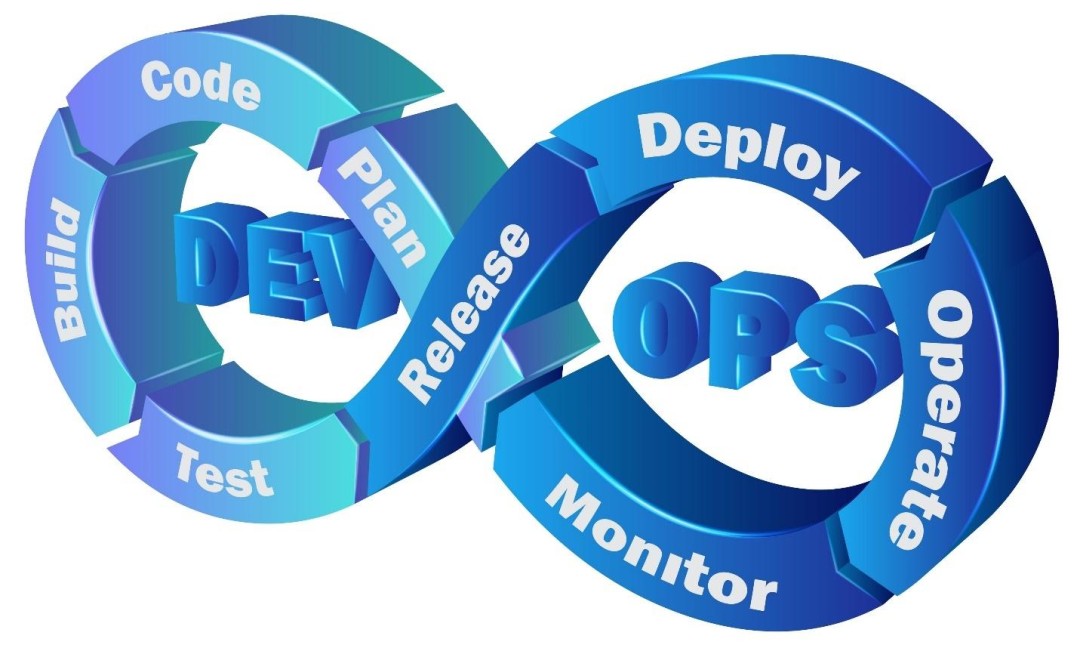
Downtime and the loss of reputation can severely cost a business. While modern digital businesses view SRE and DevOps as foundational, many organizations still struggle to implement them correctly.
The path forward requires leaving behind manual toil and embracing "everything-as-code." By automating default behaviors and focusing on Service Level Objectives, organizations can empower their developers to build visible growth, self-healing systems, and highly reliable applications.
Media Contact
Company Name: CB Herald
Contact Person: Ray
Email: Send Email
Country: United States
Website: cbherald.com